




Portable Blood Gas & Electrolyte Analyzer
0 out of 5
Portable blood gas and electrolyte analyzer for point-of-care testing workflows where compact analysis and compatible cartridges are required.
SKU: 174-002-010
Categories: Analyzers, Analyzers (POC), Blood Gas & Electrolyte Analyzers

- Description
- Technical Specifications
Description
Blood gas & Electrolyte Analyzer SG1 -Hihly recomended for ICU with built in battery and printer & automatic calibration
Seamaty SG1 can test blood gas and electrolyte items, including:
Direct measurment: pH, pCO₂, pO₂, K, Na, Ca, Glucose, Lactate
Calculated: cHgB (Hb), SO₂, BE, HCO₃⁻
- K+ (potassium ion): The concentration of potassium ions in the blood, which is essential for the normal function of the heart and nervous system.
- Na+ (sodium ion): The concentration of sodium ions in the blood, which is associated with maintaining fluid balance and nerve conduction.
- Cl- (chloride ion): The concentration of chloride ions in the blood, which is associated with fluid balance and acid-base balance.
- Ca2+ (calcium ion): The concentration of calcium ions in the blood, which is important for physiological processes such as blood clotting, nerve conduction, and muscle contraction.
- pH: The acidity of the blood, which affects the activity of proteins and enzymes and has important implications for physiological function.
- pO2: The partial pressure of oxygen in the blood, which reflects the delivery of oxygen and the oxygenation of tissues.
- pCO2: The partial pressure of carbon dioxide in the blood, which is associated with respiration and acid-base balance.
- Hct: The volume fraction of red blood cells in the blood, which reflects the relative content of red blood cells in the blood.
- Glu: The concentration of glucose in the blood, which is the body’s main source of energy.
- Lac: The concentration of lactate in the blood, which can be used to assess the degree of tissue hypoxia and acidosi
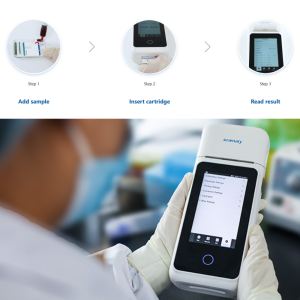
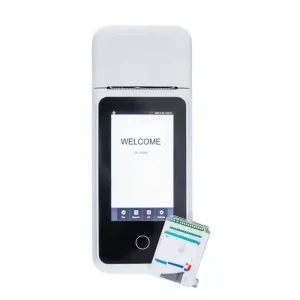
The Seamaty SG1 is an easy-touse handheld portable blood gas analyzer that providing accurate blood gas, electrolyte and critical care biochemistry results in just a few minutes.
-
- Compact and Portable: The small size and lightweight design (only 0.6kg) make it easy to carry and use anywhere, even in field settings or during patient transport.
- Cost Effective: The dry electrode technology eliminates the need for wet reagents and calibration solutions, reducing ongoing operational costs. Additionally, the built-in printer eliminates the need for an additional purchase, further reducing expenses.
- Flexible Test Options: Unlike some fixed parameter analyzers, the Seamaty SG1 allows you to choose the specific parameters you need to test, optimizing resource usage and reducing unnecessary testing.
- Intuitive Interface: The user interface is simple and straightforward, requiring minimal training for healthcare professionals to operate effectively.
- Reliable Data: The continuous monitoring and automatic calibration features ensure accurate and reliable test results, even for novice users.
- Durable and Long-lasting: The built-in battery provides long standby time (up to 180 days) and supports 55 continuous tests, ideal for busy clinical settings.
- Seamless Data Integration: The analyzer can seamlessly integrate with existing laboratory information systems, facilitating efficient data management and analysis.
Product Paramenters
Sample Type: Whole blood, serum, plasma
Sample Volume: 100uL
Methodology: QR Code – no need for calibration
Connectors: Type-c
Printer: Built-in thermal printer with thermal printing paper 57cmW*40m / Weight: 600g
Highly recomended for
- Surgery: Blood gas, electrolyte, and acid-base balance monitoring during surgery.
- ICU: Blood gas, electrolyte, and acid-base balance monitoring for critically ill patients.
- Emergency department Respiratory, acid-base electrolyte monitoring for emergency patients such as poisoning, coma, and convulsion.
- Pathology laboratory: Used for the evaluation of ventilation and gas exchange function and acid-base balance testing of patients with various diseases and critically ill patients in the emergency department and inpatient departments.
- Field training: Rapid analysis of electrolyte metabolism disorders, oxygenation, and ventilation balance.
How this helps doctors (practical use-cases) Acute respiratory failure / ventilation pH, pCO₂, pO₂, cSO₂ guide oxygenation/ventilation settings and escalation decisions (e.g., intubate, adjust ventilator). Acid–base diagnosis, fast cHCO₃⁻, BE(b/ecf), AG distinguish metabolic vs respiratory disorders and reveal mixed problems (e.g., sepsis with lactic acidosis + respiratory failure).
Electrolyte emergencies Na⁺/K⁺/Cl⁻ (and Ca²⁺ on BG10) support treatment of hyperkalemia, hyponatremia, and hypocalcemia—critical in ICU, dialysis, and peri-operative care. Shock & sepsis (BG10 shines here) Lactate for risk stratification and resuscitation targets; repeat testing to see if treatment works. DKA & metabolic crises Glucose + AG + HCO₃⁻ show severity and resolution; potassium guides safe insulin and replacement. Bleeding/volume status Hct (and calculated cHgb) help assess anemia/bleeding and transfusion needs alongside gas exchange. Which cartridge to choose? BG8: Routine ABG + electrolytes for ER/ICU/OR when glucose/lactate/ionized Ca aren’t essential. BG10: Sepsis, shock, cardiac arrest, DKA, peri-op/ICU—you want lactate, glucose, and Ca²⁺ in the same shot.
| Product Type | Portable blood gas and electrolyte analyzer |
|---|

